How Quickly Should You Act During a Dental Emergency in Aurora?
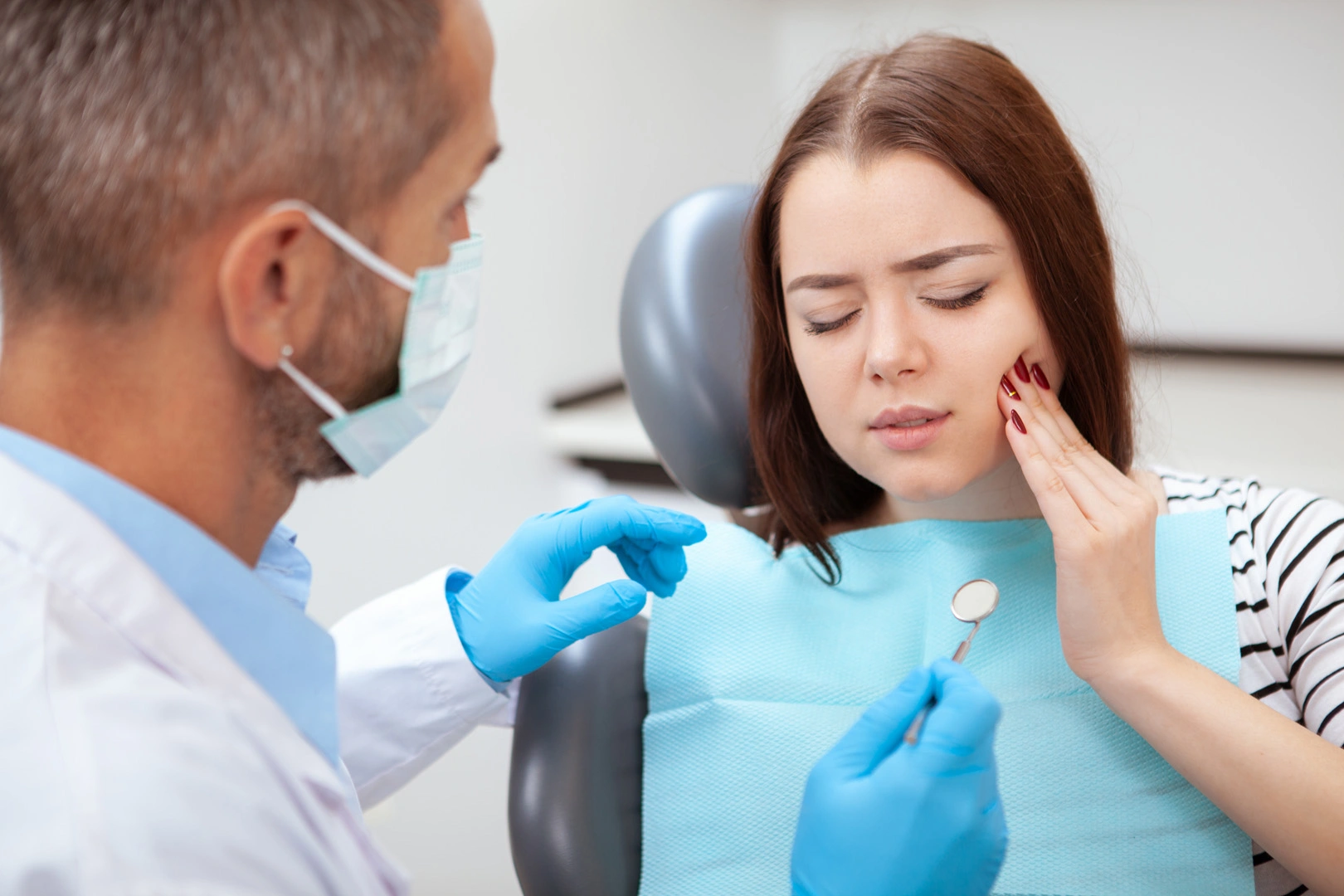
When something goes wrong with a tooth, people often spend the first few minutes trying to decide whether it is truly urgent or whether it can wait until next week. That hesitation is understandable. Dental pain can flare, fade, and return. A chipped tooth might look minor at first glance. Swelling may seem like something that will settle once you rinse with salt water and take a pain reliever. The problem is that the mouth can deteriorate quickly, and timing often decides whether the fix is simple, expensive, or even possible at all.
If you are dealing with a Dental Emergency Aurora situation, the safest mindset is this: act sooner than your symptoms suggest. In dentistry, minutes matter in a knocked-out tooth, hours matter in infection and trauma, and a day or two can matter in a crack that keeps spreading every time you bite.
The right response depends on what happened, how severe the symptoms are, and whether there are signs of infection, uncontrolled bleeding, or facial trauma. Still, a useful rule holds across almost every emergency. If the issue involves severe pain, swelling, bleeding, a broken restoration that exposes sensitive tooth structure, or injury to a permanent tooth, call a dentist the same day. If breathing or swallowing is affected, or if the injury involves the jaw, head, or deep facial cuts, skip the debate and go straight to urgent medical care.
Why speed changes the outcome
People sometimes assume a dental emergency is mostly about pain control. Pain is part of it, but the bigger issue is damage control. Teeth are living structures. The supporting ligament around a tooth, the pulp inside it, and the surrounding bone and gums all respond to trauma and infection Dental Emergency Aurora on their own timeline. That timeline is not generous.
Take a tooth that has been completely knocked out. Reimplantation has the best chance of success when the tooth is placed back into the socket quickly, ideally within 30 minutes, though there may still be a reasonable chance up to an hour in some cases. Wait several hours, let the root dry out, and the odds drop sharply. In practical terms, the difference between leaving work immediately and finishing your afternoon can be the difference between saving the tooth and losing it.
The same logic applies to infection. A tooth abscess does not always begin dramatically. It may start as a dull ache, a tender spot when chewing, or a pimple-like bump on the gum. Once swelling spreads, treatment becomes more complex. Infection in the mouth can move into the face and neck. That is where a routine dental problem stops being routine.
Cracks are another good example. A small crack can be stabilized with a crown or bonding if caught early. Keep chewing on it for a few days, and the fracture may run below the gumline, where saving the tooth becomes much harder. I have seen people wait because the pain came and went, only to discover that a repairable problem had turned into an extraction case.
The emergencies that need action right away
Some situations do not benefit from watchful waiting. They need immediate contact with a dentist, and some need an emergency room.
A knocked-out permanent tooth is at the top of the list. If the tooth is permanent, not a baby tooth, time is critical. Handle it by the crown, not the root. If it is dirty, rinse it briefly with milk or clean water without scrubbing. If you can place it gently back into the socket and hold it there, do that. If not, keep it moist in milk or inside the cheek if the person is old enough to do that safely without swallowing it. Then seek urgent dental care.
Severe swelling is another red flag, especially if it is getting worse, extends into the cheek or under the jaw, or is paired with fever, a bad taste, or trouble opening the mouth. Dental infections can spread faster than most people expect. If swelling affects breathing, swallowing, or speech, that is not just a dental matter anymore. It needs emergency medical attention.
Uncontrolled bleeding after trauma or a recent extraction also needs prompt care. A little oozing can be normal, but active bleeding that does not slow with firm pressure deserves professional evaluation.
Then there is pain that wakes you from sleep, pain that shoots with Dental Emergency Aurora heat, pain that makes it hard to focus, and pain that comes with visible swelling. People often try to tough this out for a weekend. That rarely pays off. Pain severe enough to disrupt eating, sleeping, or working is your body asking for urgent treatment.
Problems that still need quick care, even if they seem manageable
Not every emergency arrives with dramatic swelling or blood. Many urgent situations look deceptively minor.
A broken filling or crown can expose dentin or leave thin walls of tooth vulnerable to fracture. If there is no pain, some people assume it can wait a few weeks. Sometimes it can, but sometimes that gap allows bacteria to enter, food to pack into the area, and the remaining tooth to crack under pressure. Calling the same day is wise, even if the appointment ends up being scheduled for the next available opening.
A chipped front tooth may seem cosmetic, especially if the piece is small. But depending on the depth of the chip, there may be exposed dentin or even pulp involvement. If the tooth becomes sensitive to air, cold, or touch, you should not postpone care.
A loose adult tooth after a fall, sports injury, or sudden bite on something hard is also urgent. Teeth that are not fully knocked out can often be stabilized if seen early. If that looseness is ignored, the supporting tissues may continue to deteriorate.
Food trapped under the gum or between teeth can also mimic more serious pain. That is one of the few scenarios where symptoms may improve quickly with professional cleaning or irrigation. The challenge is that patients often cannot tell the difference between something simple and something that only feels simple at first. That uncertainty is exactly why a same-day call matters.
How long is too long to wait?
There is no single number for every dental emergency, but there are useful windows.
For a knocked-out permanent tooth, think in minutes, not days. For broken teeth, lost crowns, severe toothaches, dental trauma, and swelling, think in same-day terms. For a mild chip without pain, a slightly loose retainer wire, or a rough edge irritating the tongue, you may have a bit more room, but it still makes sense to contact the office within 24 hours and let the team guide you.
Where people get into trouble is assuming that if they can still function, they can wait. The mouth is full of nerves and bacteria, and it responds poorly to delay. A problem can stay stable for 12 hours, then become far worse overnight. Many emergency dental visits happen in the morning because symptoms escalated after dinner, after lying down, or after another round of chewing on the injured side.
In Aurora, weather can also shape timing. Snow, ice, and long commutes make it tempting to postpone care, especially in winter. But if you know the roads may be worse later or clinics will close soon, earlier action is usually smarter. Dental emergencies do not respect office hours, and Friday afternoon hesitation has produced many miserable weekends.
A practical way to judge urgency at home
When patients call, the most useful details are often the simplest ones. Can you bite down? Is there swelling? Is the tooth loose? Was there trauma? Are you bleeding? Has the pain become intense or constant? Are you having trouble swallowing or opening your mouth?
Those details help separate discomfort from urgency. A little sensitivity to cold after whitening is not an emergency. Sharp pain when biting after you cracked a molar on popcorn kernel fragments is much more concerning. Mild soreness around a wisdom tooth can sometimes wait briefly. Swelling, bad taste, and difficulty opening the mouth around that same tooth can signal infection and need rapid attention.
If you are unsure, err on the side of calling. Dental offices handle these questions every day. Triage is part of the job. Good emergency guidance often starts on the phone, long before you sit in the chair.
What to do in the first hour
The first hour after a dental injury or sudden severe pain is usually the most important. Calm action beats improvised fixes.
Here are the most useful first steps:
- Call a dentist immediately and describe the problem clearly, including pain level, swelling, bleeding, and whether a tooth was broken or knocked out.
- Control bleeding with clean gauze and steady pressure, and use a cold compress on the outside of the face for swelling.
- Preserve any broken tooth fragment or knocked-out permanent tooth, keeping it moist in milk or saline if possible.
- Avoid chewing on the injured side, and do not place aspirin directly on the gum, which can burn tissue.
- Go to urgent medical care right away if there is trouble breathing, trouble swallowing, major facial trauma, or signs of a jaw fracture.
Those steps are simple, but they prevent common mistakes. I have seen teeth brought in wrapped in dry tissue, fragments scrubbed aggressively, and cheeks irritated by home remedies that caused more tissue damage than the original injury. Good first aid does not need to be fancy. It just needs to be prompt and clean.
The most common mistakes people make
Delay is the biggest one, but it is not the only one. Another frequent mistake is masking symptoms so effectively that the person convinces themselves the problem is under control. Ibuprofen can reduce pain and inflammation, but it does not solve the infected nerve, cracked cusp, or draining abscess that caused the pain.
A second mistake is eating normally after the injury. A cracked molar can survive a careful soft-food day and then split catastrophically during one bite of crusty bread or steak. If you suspect damage, protect the tooth until you are seen.
A third is underestimating swelling because it is not painful yet. Infections can spread before they become dramatically tender. Swelling near the lower jaw, under the tongue, or into the neck deserves special respect.
There is also the opposite mistake, rushing to the wrong setting. Emergency rooms are essential for breathing issues, facial fractures, uncontrolled bleeding, severe infection spreading into facial spaces, or trauma involving the head and jaw. But many toothaches, lost fillings, broken crowns, and localized dental infections are better managed by a dentist. The emergency room may control pain and prescribe medication, but they often cannot provide the definitive dental treatment needed to solve the problem.
Children, seniors, and people with medical conditions
The speed of response matters even more in certain groups.
Children can be hard to read. A child with a dental injury may seem fine and then become distressed later. If a permanent tooth is involved, treat it urgently. If a baby tooth is knocked out, do not try to reinsert it, but still call a dentist for guidance, especially if there was a fall or impact that may have injured the surrounding tissues.
Older adults may delay because they assume pain under a denture or around a heavily restored tooth is something they simply have to live with. That can hide significant infection or fracture. Seniors also may take medications that affect bleeding or healing, which raises the stakes after oral trauma.
For people with diabetes, suppressed immune systems, heart conditions, or a history of serious infections, dental swelling and infection deserve prompt attention. A problem that might remain localized in one person can become more complicated in another.
What same-day care can prevent
One reason fast action matters is that early treatment often preserves options. The same-day visit is not always glamorous. Sometimes the dentist smooths a sharp edge, places a temporary filling, adjusts a bite, drains an infection, or prescribes medication to stabilize the situation. But those steps can stop the downhill slide.
Prompt treatment may prevent a root canal from becoming an extraction. It may turn a painful emergency into a scheduled definitive repair instead of a multi-visit rescue effort. It may also save you from after-hours care costs, missed work, or a weekend spent trying to sleep upright because your face is swollen.
Patients are often surprised that the immediate goal in emergency dentistry is not always to finish everything at once. Sometimes the first priority is to get you comfortable, control infection, protect the tooth, and buy time for a more durable repair. Fast care does not just shorten pain. It protects the treatment plan.
If you are in Aurora, local timing matters too
Every city has its own rhythm, and Aurora is no exception. Family schedules, school pickups, weather swings, and commuting patterns all influence when people decide to seek care. But teeth do not care whether you have back-to-back meetings or a hockey practice pickup. If the office offers emergency slots, use them. If the clinic advises you not to wait, trust that advice.
A true Dental Emergency Aurora call is usually easier to manage when made early in the day. Offices have more flexibility to evaluate you, coordinate imaging, or refer you if needed. Waiting until evening narrows your options. That does not mean you should panic over every twinge, but it does mean that acting at 9 a.m. Is often far better than deciding at 7 p.m. That the pain has become unbearable.
How to prepare before anything happens
The best emergency response starts before the emergency. Most people do not think about this until they are holding a chipped tooth over the bathroom sink.
Keep your dental office number saved in your phone. Know whether they offer after-hours instructions. If your child plays sports, ask about a fitted mouthguard rather than relying on a one-size-fits-most version from a store. Keep a small supply of clean gauze, a container, and over-the-counter pain relief at home. If someone in your family has crowns, root canal treated teeth, or a history of fractures, take sensitivity or chewing discomfort seriously rather than waiting for something dramatic.
A little preparation does not prevent every emergency, but it reduces wasted time when time matters most.
The bottom line on urgency
If you are wondering how quickly you should act during a dental emergency, the practical answer is this: faster than feels convenient, and usually faster than you hope you need to. A knocked-out tooth requires immediate action. Swelling, severe pain, trauma, or bleeding should trigger a same-day call. Anything affecting breathing, swallowing, or the jaw moves into urgent medical territory.
People rarely regret calling too soon. They often regret waiting a day, a weekend, or until the pain becomes impossible to ignore. In emergency dentistry, delay is rarely neutral. It usually makes the problem harder, costlier, or less predictable to fix.
When in doubt, pick up the phone. That simple step is often what saves the tooth.
Aspenwood Dental Associates and Colorado Dental Implant Center
2900 S Peoria St Ste C, Aurora, CO 80014, United States
+1 303-731-4037
FAQ About Dental Emergency Aurora
What qualifies as a dental emergency?
A dental emergency is any oral injury or condition that involves severe pain, uncontrolled bleeding, or a potential infection that puts a tooth or your overall health at risk.
Can the ER do anything for a tooth?
AI Overview An emergency room (ER) cannot fix or pull a tooth, perform root canals, or provide long-term dental care, because most ERs do not have dentists on staff.
What is the 3-3-3 rule for tooth infection?
The 3-3-3 rule for a tooth infection or severe toothache is a short-term over-the-counter pain management strategy. It involves taking 600 mg of ibuprofen (typically three 200 mg tablets) 3 times a day for no more than 3 days.